



Home » HVAC System Replacements
Professional HVAC System Replacements
Welcome to our page on professional HVAC system replacements. For over 35 years, our customers have relied on our quality system replacements. Here, you’ll find answers to your questions, an outline of the installation process, and what to expect. Read our articles to gain a better understanding of the process, efficiency options, and the brands available to our customers.
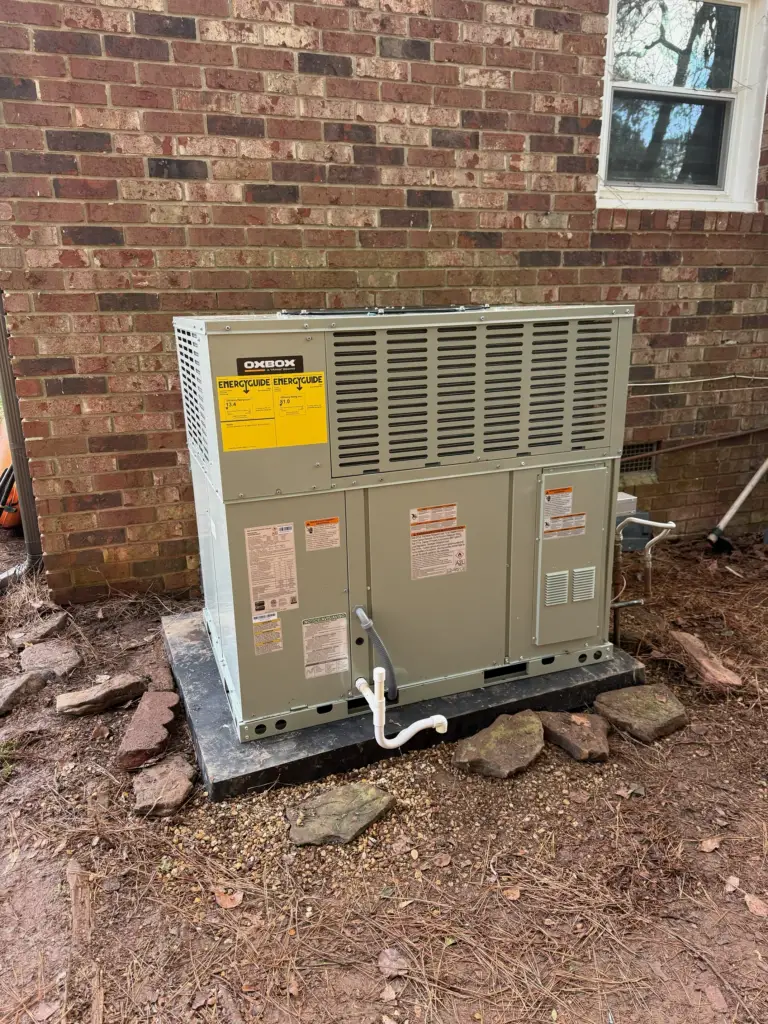
Our Warranty
Our 1 Year Labor Warranty comprehensively covers all equipment failures, ensuring your complete peace of mind. This warranty provides you with the assurance that any unexpected issues will be promptly addressed, allowing for hassle-free service and swift repairs. By doing so, we aim to keep your operations running smoothly and efficiently, minimizing downtime and maximizing productivity. Rest easy knowing that we are here to support your equipment needs for the entire year!
HAVE MORE QUESTIONS or LOOKING for HELPFUL TIPS ABOUT AC SERVICES or REPLCEMENTS?
Check out our FAQ Page Here ||||
Factory 10 Year All Parts Warranty
All of the system brands we offer are thoroughly backed by a standard comprehensive 10-year factory warranty that covers all parts for residential HVAC system replacements. This ensures that homeowners can have peace of mind regarding the durability and reliability of their system. Furthermore, for our commercial HVAC system replacements, we provide a standard warranty that includes 1 year for parts, along with an extended 5-year warranty specifically for the compressor and coil. It’s important to note that these warranties apply unless stated otherwise in writing, allowing for clarity and understanding in our system replacement agreements.
HVAC System Replacement Service Areas


Heat Pump Efficiency Ratings
Heat pump efficiency is measured using seasonal ratings that compare total heating or cooling output (BTU) to electricity input (watt-hours). Ratings like HSPF2 and SEER2 offer a standardized means to compare models and inform homeowners on efficiency and energy use. Understanding these metrics is crucial for assessing heat pump performance and long-term costs. The key metrics include HSPF2 (Heating Seasonal Performance Factor), SEER2 (Seasonal Energy Efficiency Ratio), and COP (Coefficient of Performance). Higher ratings indicate better efficiency, making high-efficiency heat pumps a smart investment amid rising utility costs.
**Key Efficiency Metrics**
**HSPF2 (Heating):** This measures total heating output during a season divided by electricity used, essential for colder climates. The updated HSPF2 reflects modern heat pump efficiency and extra heating needs in winter.
**SEER2 (Cooling):** SEER2 measures total cooling output divided by electrical input, crucial for understanding efficiency during peak demand. The 2023 standard improves reliability and reflects real-world conditions, helping homeowners reduce energy bills.
**COP (Instantaneous Efficiency):** This compares heat moved to energy consumed, with a higher COP indicating greater efficiency. Typical COP values range from 2 to 4, leading to reduced reliance on fossil fuels and a smaller carbon footprint.
**Other Factors**
**EER2 / EER:** Energy Efficiency Ratio assesses cooling capacity at specific temperatures, important for areas with extreme temperatures.
**Minimum Standards:** U.S. energy efficiency standards set by the Department of Energy ensure new heat pumps meet basic efficiency levels, benefiting consumers and the environment. Awareness of these standards aids buyers in selecting systems that yield long-term savings. In general, higher HSPF2 and SEER2 ratings lead to better efficiency, although initial prices may be higher. Balancing initial costs and future savings is vital for making informed choices. Regular reviews of energy efficiency metrics are essential for optimum performance.
What to expect when having your HVAC System Replaced
Replacing an HVAC system typically takes 4 to 8 hours, sometimes a full day.
It’s crucial to choose a reputable contractor with experience in HVAC installations for the best results.
The process involves removing the old unit, making minor adjustments, installing the new system, and testing it.
Make sure the new system matches your home’s requirements for efficiency and capacity.
It’s advisable to schedule installation for a day when you can be home to monitor the process and ask questions.
Keep your pets in a safe place away from the installation area to prevent any stress or accidents.
Protect your furniture and valuables to avoid damage, using covers and moving valuable items as needed.
Covering floors and furnishings will help minimize the mess and protect your home during this critical upgrade.
Expect noise and dust, along with technicians coming and going.
Anticipate some disruption, especially if extensive ductwork modifications are required.
After installation, the technician will explain how to use and maintain the new system and discuss energy-saving tips.
It’s beneficial to inquire about any available rebates or incentives related to energy-efficient systems.
Don’t forget to ask about the warranty and maintenance schedule.
Understanding these details can save you money and maximize your system’s lifespan.
Key Aspects of Installation Day:
– Preparation: Technicians will clear the path to the installation area and use drop cloths.
This preparation not only speeds up the installation but ensures that everything is in place for a seamless transition.
Having necessary paperwork ready promotes a smooth process and keeps mess to a minimum.
This can include permits, receipts, and any previous maintenance history that can inform the technicians.
– Removal: The old unit will be removed, and refrigerant safely drained.
Special care will be taken to handle the old equipment in an environmentally friendly manner.
Ductwork efficiency will also be checked.
They will ensure that all duct connections are properly sealed to prevent air leakage.
– Installation: New equipment will be installed, which may involve ductwork changes and electrical upgrades.
Be aware that installation may require additional changes to your home’s electrical system to support the new unit.
Proper sealing and insulation are essential for optimal performance.
This will enhance your system’s efficiency and prolong its service life.
– Testing: The technician will conduct safety tests, ensuring airflow and leak checks.
This is a vital step in ensuring that your new system operates safely and efficiently.
– System Education: You’ll learn how to operate the new system and its maintenance needs.
Take notes on operating procedures and any specific maintenance tasks that need to be scheduled.
Note any important information during this time.
Having this information will help you maintain your HVAC system effectively over time.
Important Considerations:
– Timeline: Standard replacements take one day; more complex jobs may take 2 to 5 days.
Some installations might require additional work, such as upgrades to electrical systems or new ductwork.
Be flexible with scheduling.
Plan for potential delays, depending on the complexity of the work required.
– Documentation: Keep all manuals, warranties, and details about the new system for future reference.
These documents will be helpful if you need to troubleshoot or if you require service in the future.
– Cleanup: Professional teams will tidy the area, ensuring safety and efficiency.
They will ensure that all debris is removed and that your home is left clean and safe afterward.
Expect noise and keep kids and pets away from the worksite.
This will help keep everyone safe and minimize distractions for the technicians.
Inform your family about the schedule in advance..
Notify them about the noise and remind them of safety precautions during the installation.
Maintenance for Your Newly Installed HVAC System

Service Agreements: Ensure your AC system runs efficiently with our air conditioning maintenance agreements. Reynaud HVAC Contractors offers tailored plans for commercial and residential AC systems, to keep your unit in top condition. Trust us to prolong the lifespan of your AC system.

HVAC System SEER2 Ratings
What is a System SEER Rating and What are My Choices?
SEER ratings, or Seasonal Energy Efficiency Ratio, are a key measure of an HVAC system’s energy efficiency. Higher SEER ratings indicate greater efficiency, which can lead to lower energy bills and a reduced environmental impact. Common SEER rating levels range from 13 to 25, with higher numbers representing more efficient systems. When choosing a SEER rating, consider your climate, energy usage, and budget to find the best balance of efficiency and cost-effectiveness for your needs.
Example of SEER rating levels:
SEER ratings range from 13 to 25+, with higher numbers indicating greater energy efficiency. Common SEER rating levels include:
– 15: Basic efficiency
– 16-17: Good efficiency
– 18-19: Very good efficiency
– 20+: Top-tier efficiency
More details on AC systems and services here

AFUE Gas Furnace Ratings
Gas Furnace AFUE Efficiency Ratings: Understanding Your Options
Gas furnaces are rated by their Annual Fuel Utilization Efficiency (AFUE), which measures how efficiently they convert fuel into heat. AFUE ratings range from 80% to over 98%, with higher ratings indicating greater efficiency. Furnaces with AFUE ratings of 90% or higher are considered high-efficiency models, offering significant energy savings and reduced environmental impact. When choosing a gas furnace, consider your home’s heating needs, budget, and the availability of high-efficiency options in your area. Investing in a high-AFUE furnace can lead to long-term cost savings and increased comfort.
Gas Furnace AFUE Efficiencies:
– 80% AFUE: Basic efficiency, suitable for moderate climates.
– 90% AFUE: High efficiency, ideal for colder regions.
– 95%+ AFUE: Ultra-high efficiency, best for maximum energy savings.
More details on heating systems and services here
Common Questions About HVAC System Replacement SEER 2 Ratings: Answered
What is the standard SEER2 rating for an AC system and is it really more beneficial to have a higher SEER2 system installed?
As of 2023, the minimum standard SEER2 rating is 13.4 in Northern states and 14.3 in Southern states for air conditioning systems, reflecting a mandatory efficiency upgrade. Higher SEER2 ratings (16-18+) are more beneficial as they offer significantly lower energy bills, improved humidity control, and better, quieter performance over the system’s lifespan,, despite higher upfront costs.
Standard SEER2 Ratings and Requirements
Northern States:
Minimum 13.4 SEER2.
Southern/Southwest States:
Minimum 14.3 SEER2.
Heat Pumps:
Minimum 14.3 SEER2 nationwide.
Range:
While 13.4–14.3 is the baseline, units range from 13 to over 25 SEER2, with 16-18 considered a “good” above-average rating.
Benefits of a Higher SEER2 System
Lower Energy Costs:
Higher SEER2 systems use less energy, potentially saving 20-30% on cooling costs when upgrading from older units.
Improved Comfort:
Higher efficiency systems often feature variable-speed compressors, allowing for more precise temperature control and better dehumidification.
Rebates and Incentives:
High-efficiency units may qualify for federal, state, or local tax credits, as well as manufacturer rebates.
Environmental Impact:
Reduced electricity usage directly leads to a smaller carbon footprint.
Is a Higher SEER2 Better?
While higher SEER2 is more energy-efficient, the best choice depends on climate and budget.
Higher SEER2 (18+):
Best for warmer climates, long cooling seasons, or large homes.Living in the southern US this option is always a good choice to money back in your pocket through montly energy savings and rebates from numerous sources. Check for rebates available in you area here ||||
Minimum SEER2 (14-15):
Suitable for milder climates with shorter, less intense summers.
SEER2 is a more accurate, strict, and updated measure of efficiency compared to the old SEER, accounting for real-world ductwork and blower pressures.
HAVE MORE QUESTIONS or LOOKING for HELPFUL TIPS ABOUT HVAC INSTALLATIONS & REPLACEMENTS?
Check out our FAQ Page Here ||||
Schedule Online
For an HVAC Replacement Quote!
Get a Licensed & Insured HVAC Professional Near You, to Install Your New AC System! Schedule Online Today!

Affordable and friendly HVAC system replacements. Contact us today and experience the difference!
Mailing Address
3588 Highway 138 SE
PMB 272
Stockbridge, GA 30281